| |
Chemicals (1.A.2.c)
Chemical manufacturing includes the transformation of organic and inorganic raw materials by a chemical process and the formulation of products. For example, the manufacture of industrial gases, dyes, petrochemicals, bleaches, etc.
- How has fuel consumption activity data been collected
from these industries?
- Has the Party provided a detailed explanation of the
interaction with the Industrial Processes Sector and Energy
Sector?
- How has the Party addressed feedstock and non-energy
uses of fossil fuels?
- How have emissions from chemical manufacturing and petroleum
refining been separated?
- How has fuel consumption activity data been collected
from the chemical industry?
- What is the basis of carbon content values and carbon
oxidation factors for non-standard fuels (e.g., process
by-products that are burned for process heat)?
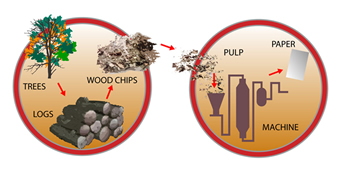
Pulp, Paper and Print and Food (1.A.2.d),
Beverages and Tobacco (1.A.2.e)
This category is unlikely to be a key category for most Parties.
- How has fuel consumption activity data been collected
from these industries?
- How has biomass and fossil fuel consumption been separated?
- Are emission estimates of CO2 only based on
fossil fuel consumption? (Emission estimates of non-CO2
gases, however, should be based on both biomass
and fossil fuel consumption?)
|